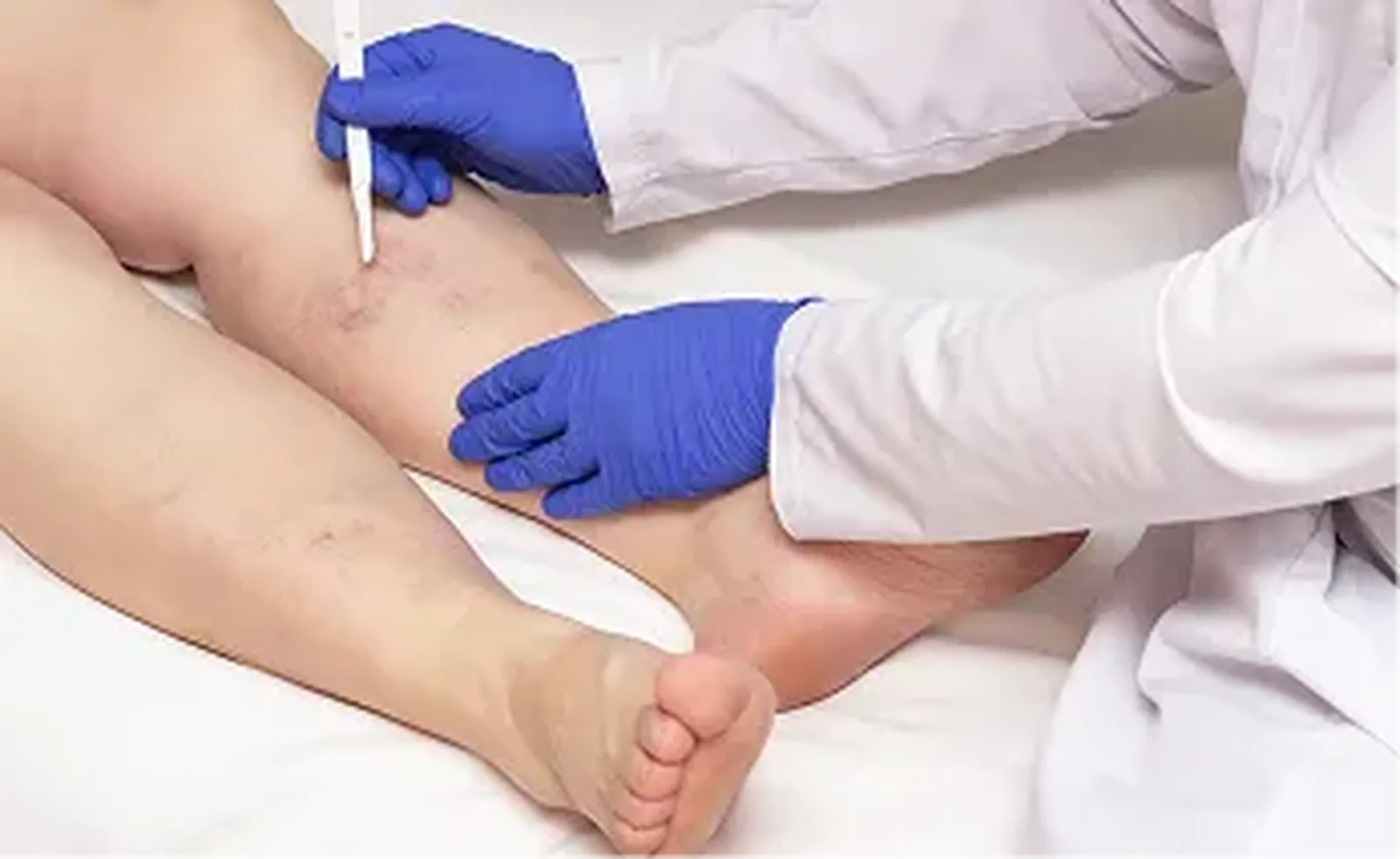

Varicose veins occur when the valves within the veins fail to function properly, causing blood to pool instead of traveling back to the heart. Recognizing the symptoms in the early stages allows for effective management through lifestyle changes or minimally invasive treatments before surgery becomes necessary.
7 Most Common Symptoms of Varicose Veins
The condition often begins subtly. If you experience the following complaints, especially at the end of the day, you may be facing venous insufficiency:
Heaviness and Fullness
You may feel a sense of "heaviness" in your legs, as if they are weighted down, particularly after long periods of standing.
Night Cramps
Sudden, intense leg cramps that wake you up at night are a significant indicator of increased venous pressure.
Swelling (Edema)
If your shoes feel tight or socks leave deep indentations on your skin, it is a sign of fluid accumulation (edema).
Itching and Burning
Persistent itching along the path of the veins is often mistaken for dry skin but can be caused by underlying venous issues.
Physical Changes and Advanced Stages
As the condition progresses, symptoms move beyond sensations and become visible to the eye:
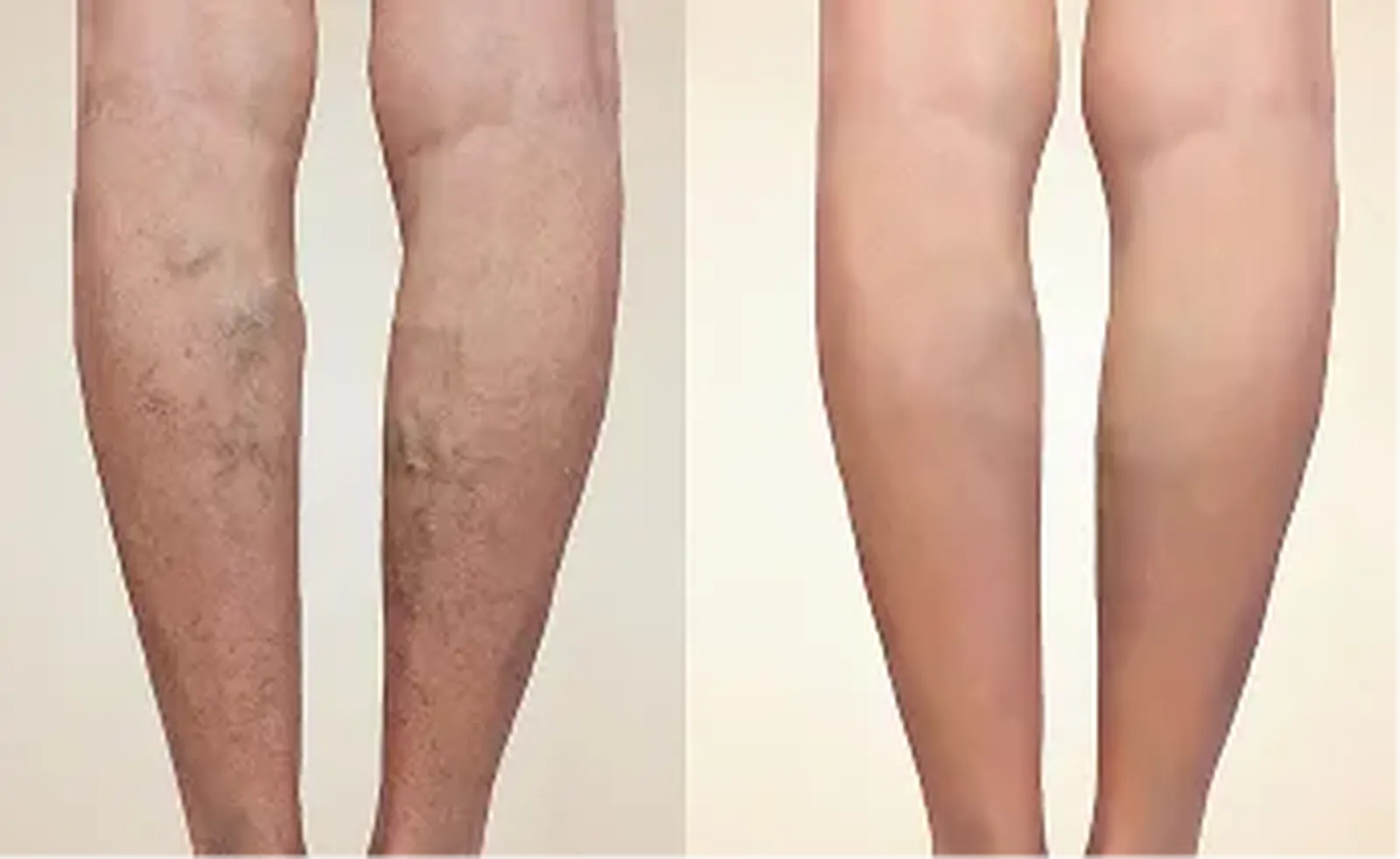
- Spider Veins: Small, red, or purple web-like formations on the skin's surface.
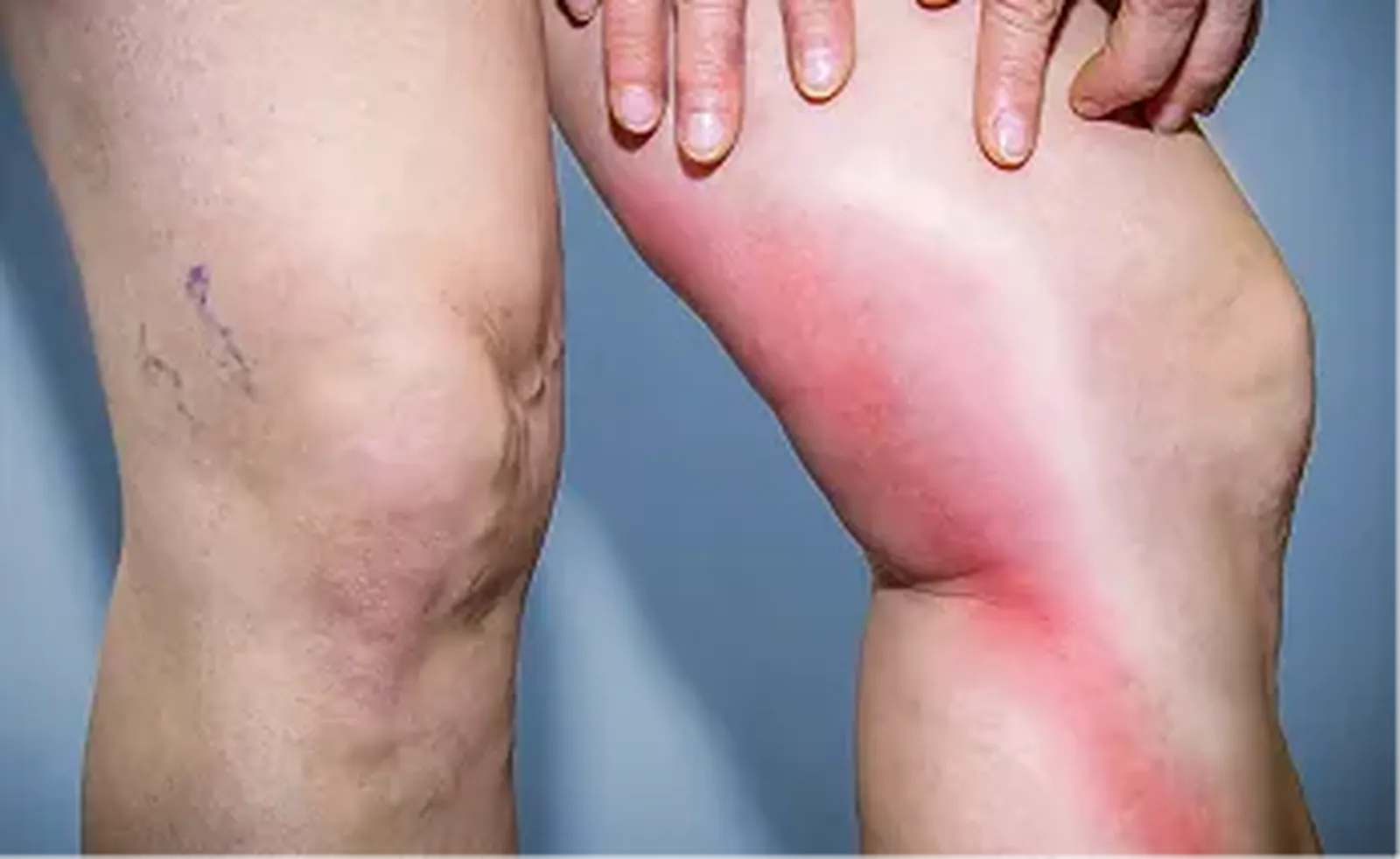
- Bulging Veins: Twisted, swollen, dark blue veins that protrude from the surface of the skin.
- Skin Discoloration: Darkening, hardening, or brownish spots on the skin around the ankles.
Important Warning!
When left untreated, varicose veins can lead to serious complications such as blood clots (thrombophlebitis) or difficult-to-heal "venous ulcers." If leg pain limits your daily life, consulting a Cardiovascular Surgery specialist is highly recommended.